

written by Dara Gashparova, DDS
Can malocclusion cause tooth sensitivity?
Yes, crowded or misaligned teeth can cause tooth sensitivity, and they can also lead to more serious dental problems if not addressed.
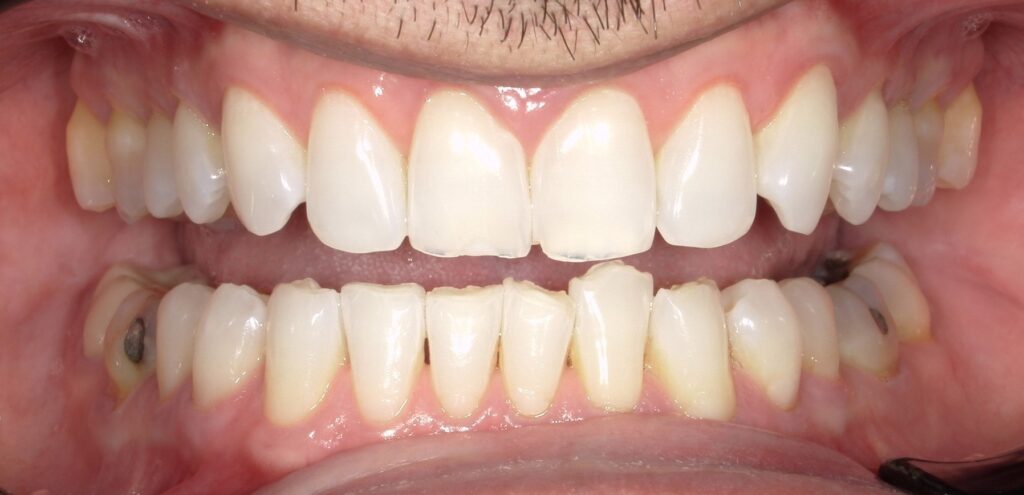
How Crowded or Misaligned Teeth Cause Sensitivity
When teeth are crowded or the bite is uneven (a condition called Malocclusion), the forces from chewing are not distributed evenly across the teeth.
This can cause several issues:
1. Premature enamel wear
Some teeth receive more pressure than others. Over time, this wears down the protective enamel layer. Once enamel becomes thin, the inner layer of the tooth (dentin) is exposed, which leads to dentin hypersensitivity.
2. Gum Recessions
Misaligned or crowded teeth can place excess pressure on certain teeth and surrounding gums. Over time, this stress, combined with plaque buildup in crowded areas, can cause the gum tissue to pull away from the teeth. This exposes the tooth roots, which can result in tooth sensitivity and further gum and bone loss.
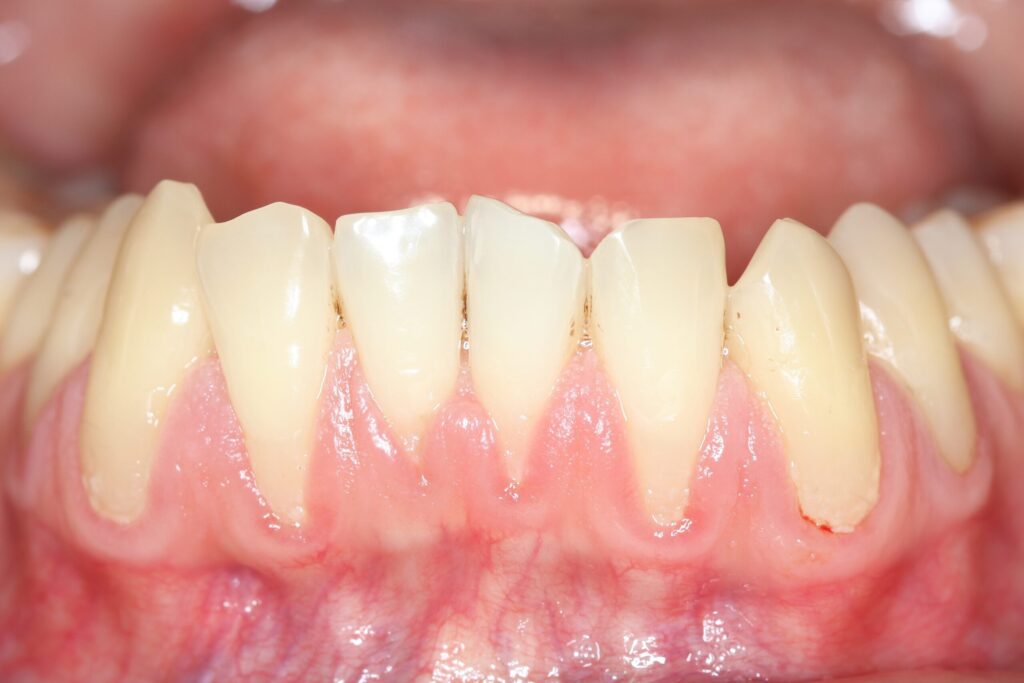
3. Harder to Clean Crowded Areas
Crowded teeth trap plaque and food particles more easily. This increases the risk of cavities and gum recession, both of which can also cause sensitivity.
4. Increased Risk of Grinding Damage
People with uneven bites often develop Bruxism, where they clench or grind their teeth, especially at night. Grinding accelerates enamel wear and can make teeth very sensitive.
5. Buccal Abfraction
This is a type of tooth damage that appears as a small wedge-shaped notch near the gumline on the cheek (buccal) side of the tooth.
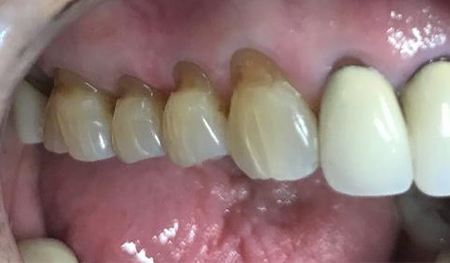
It is thought to occur when excess biting forces or an uneven bite causes the tooth to flex slightly, leading to loss of enamel and dentin at the cervical area (near the gum). This can cause tooth sensitivity and enamel wear.
What Happens If the Problem Is Not Treated
If misalignment continues for years, it can lead to:
- increased tooth sensitivity
- flattened or chipped teeth
- cracked enamel
- gum recession
- jaw pain or headaches
- problems with the jaw joint (TMJ)
Eventually some teeth may require crowns, root canals, or other restorative treatments.
Solutions
The good news is that these problems can be corrected. The sooner, the better.
1. Orthodontic Treatment
Straightening the teeth and correcting the bite is often the most effective solution. Treatments include braces or clear aligners such as Invisalign. Proper alignment distributes bite forces evenly and reduces abnormal wear. Teeth that have balanced bite last longer.
2. Night Guards
If grinding is contributing to the wear, dentists often recommend a custom night guard to protect the teeth during sleep.
3. Sensitivity Treatments
To manage symptoms, dentists may recommend:
- desensitizing toothpaste
- fluoride treatments
- dental bonding to cover exposed dentin
- laser desensitizing treatment
4. Restorative Repair (if wear is advanced)
In cases where teeth are already worn, dentists may use bonding, veneers, or crowns to rebuild the damaged areas and restore the bite. In some situation with nerve exposure, root canal is necessary before the crown restoration.
In summary:
Crowded or misaligned teeth can lead to uneven pressure, enamel wear, and eventually tooth sensitivity. The most effective long-term solution is correcting the alignment and bite, while repairing any teeth that have already been affected.