

Teeth grinding (bruxism) is a common issue that can cause excessive wear on teeth, jaw pain, teeth cracking, and other dental issues. Many who deal with it on a daily basis find it to be uncomfortable, but can you do something about it? Yes, the best thing is to find the main reason why you are grinding and treat it. Unfortunately, it is easier said than done.
Several studies have found a strong link between sleep bruxism and enlarged tonsils or adenoids in children, which can obstruct the airway. Adult bruxism has also been associated with obstructive sleep apnea (OSA), where the airway repeatedly collapses during sleep, leading to pauses in breathing and reduced oxygen levels. Researchers propose that bruxism is a compensatory mechanism to reopen the airway by activating the jaw muscles and bringing the tongue forward. Grinding and clenching is the subconscious behavior of the body to deal with discomfort and as a result develops the habit of grinding.
Is air obstruction related to teeth misalignment?
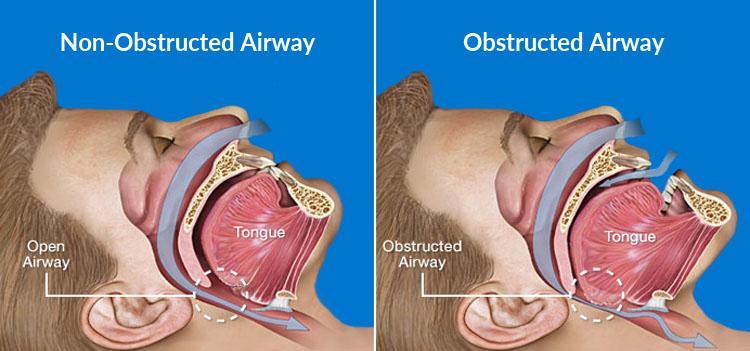
When the tongue rests low and far back in the mouth due to narrowed arches and crowded teeth, it obstructs the airway and can be the reason for airway constriction. Again, the natural reaction of the body would be pushing the jaw forward and opening the airways and grinding. No number of nightguards in this case will help the grinding but instead will require addressing the primary problem: teeth malocclusion. Correcting the arches and expanding and properly aligning the teeth through braces with clear aligners is the right thing to do.
Can you wear clear aligners if you have bruxism?
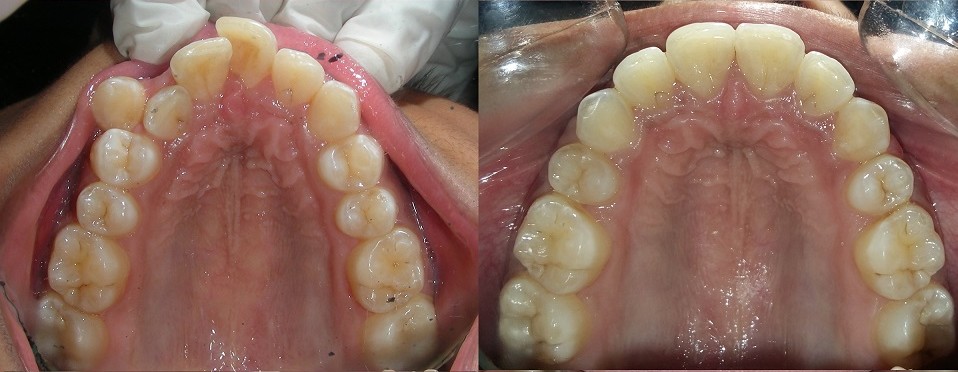
In most cases, yes! In fact, if you have mild to moderate bruxism, Invisalign or other clear aligners may help you find some relief in the joint and have protection for the teeth. Aligners can act as a barrier between your teeth which prevents direct contact during grinding and reduces wear on your enamel. Most importantly, with each clear aligner in the treatment you will be moving toward the proper alignment of the arches and the teeth, improving breathing through the nose and position of the tongue.
If you grind your teeth, clear aligners are still a great option for straightening your aches, your teeth and your bite. If you think you may have airway obstruction issues, work with your dentist and your primary care physician/ENT doctor to help you treat sleep apnea. Together, you can go through your options and find the right choice for you!